Adata Sc735 External Ssd Review: Real User Experience After 3 Months
When I bought the Adata Sc735 External Ssd, I wasn’t looking for the most hyped portable drive on the market. I wanted something practical for daily laptop use: fast enough for large file transfers, compact enough to throw into a bag, and reliable enough that I wouldn’t be nervous every time I moved important work files. After using it consistently for about three months, I’ve formed a pretty clear opinion on where it shines and where it falls short.
I’ve used this drive with a Windows laptop for work files, photo folders, video clips, game backups, and general file transfers between devices. I’ve also used it for moving larger project folders around when my internal storage started getting tight. What I found was that the Adata Sc735 is a very convenient external SSD for everyday laptop owners, especially if portability matters to you, but it also has a few quirks that are worth knowing before buying.
This review is based on my actual day-to-day experience rather than a quick first impression. After testing it for months instead of hours, I noticed things that don’t always show up in spec sheets: how warm it gets in real use, how easy it is to carry around, whether the speed feels consistent, and whether the design stays convenient after the novelty wears off.
My First Impression of the Adata Sc735
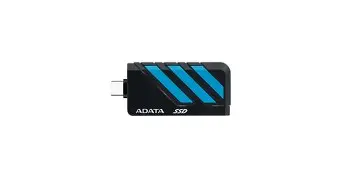
The first thing I noticed when I took the Adata Sc735 out of the box was how small and simple it felt. It has that minimalist external SSD style that a lot of people now expect, but in person it felt even more travel-friendly than I expected. I was surprised by how easy it was to slip into the small accessory pocket of my laptop sleeve without adding any bulk.
That portability turned out to be one of the best things about owning it. I’ve been using this drive for commutes, coffee shop work sessions, and moving between rooms at home, and I barely think about carrying it. That may sound minor, but with laptop accessories, size and convenience really do affect how often you actually use them.
In my experience, the build felt decent rather than ultra-premium. It didn’t give me the same tank-like feeling that some rugged external SSDs do, but it also never felt flimsy. For a lightweight portable SSD, I thought the construction was acceptable. I just wouldn’t treat it like a rugged field drive meant to survive repeated drops or rough travel abuse.
How I Used It Over 3 Months
My use case was pretty typical for someone in the Laptops category. I mainly used the Adata Sc735 as an expansion drive for a laptop with limited internal SSD space. Over three months, I used it for several different tasks:
- Transferring large folders of photos and videos
- Backing up work documents and archived projects
- Storing installers, media libraries, and occasional game files
- Moving files between my laptop and another computer
- Keeping a separate portable workspace for files I didn’t want cluttering my internal drive
What I appreciated most was how straightforward it was. I plugged it in, formatted it the way I wanted, and got to work. There wasn’t anything flashy about the experience, but sometimes that’s exactly what I want from external storage. I don’t want an SSD to be exciting; I want it to be dependable and invisible in the workflow.
After using it for a while, I noticed that its convenience mattered more to me than benchmark-style bragging rights. The Sc735 made it easy to keep my laptop lighter internally by offloading larger files while still giving me much better responsiveness than an old portable hard drive.
Performance in Real-World Use
Speed is obviously a big reason to buy an external SSD instead of a hard drive, and this was the part I paid attention to the most. In day-to-day use, the Adata Sc735 felt fast enough that I stopped thinking about transfer delays for normal tasks. Copying medium-sized folders, opening media files directly from the drive, and moving batches of documents felt smooth.
I’ve been using this for photo archives, exported videos, and large compressed folders, and the improvement over an external HDD was immediate. Files began transferring quickly, and the drive felt responsive when browsing lots of folders. For laptop users who regularly move data around, that alone makes a huge difference in everyday usability.
Where I noticed a little more nuance was during heavier sustained transfers. When I copied larger data sets continuously, the drive still performed well, but I felt that it was more impressive in short-to-medium bursts than in marathon copying sessions. That isn’t unusual for compact external SSDs, but it’s something real buyers should know. If you’re constantly moving huge raw video libraries for professional editing, you may care more about sustained top-end consistency than I did.
For my needs, though, the performance was comfortably good. I didn’t buy it as a specialized production drive. I bought it as a portable, modern external SSD for laptop life, and in that role it delivered. I was able to run files directly from it without the annoying sluggishness I associate with older storage devices.
Looking for the best Laptops & Computers deals on Amazon?
See Deals →File Transfers and Everyday Responsiveness
One thing I appreciated was how quick smaller repetitive tasks felt. Transferring a set of PDFs, image folders, presentation assets, and mixed work files was painless. I also noticed that opening folders packed with many files felt snappy enough that it didn’t slow down my workflow.
In my experience, that matters more than people think. A drive can have nice advertised speeds, but if it feels awkward during normal everyday use, the numbers don’t mean much. The Sc735 generally felt responsive in the situations most laptop users actually face.
Heat and Throttling Concerns
After testing for a few longer file copy sessions, I noticed the drive could get warm. Not dangerously hot, but definitely warm enough that I became aware of it. This didn’t turn into a major problem for me, and I didn’t experience obvious failures or alarming shutdowns, but it did remind me that very compact SSDs often have limited room to dissipate heat.
One thing that bothered me slightly was that I became more conscious of airflow and placement during extended transfers. If I was moving a lot of data, I preferred not to leave it pressed against fabric or buried under papers on a desk. For casual use this probably won’t matter much, but if you tend to push external drives hard for long sessions, it’s worth considering.
Design, Portability, and Daily Convenience
The biggest strength of the Adata Sc735, at least in my experience, is how easy it is to live with. It’s small, light, and simple to carry. That sounds obvious, but plenty of tech products are technically portable without feeling truly effortless. This one actually did feel effortless.
I’ve tossed it into my laptop bag repeatedly, used it at a desk, on a couch, and even while traveling locally, and it never felt like a nuisance. I didn’t need to think twice about whether it was worth bringing. That’s a big win for a storage accessory.
I also liked that it didn’t clutter my setup. Some external storage feels awkward because of cable bulk or oversized enclosures. The Sc735 fit nicely with a lightweight laptop workflow. If you’re someone who frequently works from different places, this drive makes a lot of sense.
That said, the light build can cut both ways. I appreciated the low weight, but I also noticed it didn’t have the reassuringly dense feel of more premium portable SSDs. It never broke, cracked, or gave me reliability scares, but I wouldn’t call it luxurious. I’d call it practical.
Reliability After 3 Months
Reliability is the hardest thing to judge in a short review, but after three months I can at least say the Adata Sc735 has been stable for me. I didn’t run into disconnect issues during normal use, and I didn’t lose files because of random behavior. That alone gave me confidence, especially since I used it for documents and project folders I actually cared about.
I still wouldn’t use any single external SSD as my only backup. That’s not a criticism of this model specifically; it’s just good storage hygiene. I always believe important files should exist in more than one place. But as a portable working drive, the Sc735 felt trustworthy over the time I used it.
I noticed that the drive settled into my routine pretty naturally. Once I trusted it, I started using it for more of my overflow storage rather than only temporary transfers. For me, that’s a good sign. If a storage device feels sketchy, I keep it at arm’s length. This one earned more regular use over time.
Pros and Cons After Living With It
What I Liked
- Very portable: It’s genuinely easy to carry with a laptop every day.
- Fast enough for real-world use: File transfers, media access, and backups felt much quicker than any portable HDD I’ve used.
- Simple to use: I was able to plug it in and immediately integrate it into my workflow.
- Good for laptop storage expansion: It helped me keep my internal SSD from filling up too quickly.
- Stable in daily use: Over three months, I didn’t experience random disconnects or unreliable behavior.
What I Didn’t Like
- Can get warm: During longer transfers, I noticed more heat than I would have liked.
- Not especially rugged-feeling: It feels portable, but not built for harsh treatment.
- Best for general users, not power-heavy specialists: If you need maximum sustained performance all day, you may want something more premium.
- Lightweight build feels practical rather than premium: I liked the portability, but it doesn’t have that extra-solid high-end feel.
Adata Sc735 vs Other Portable Storage Options
Before buying, I spent time thinking about whether I should go for a traditional external hard drive, a bulkier rugged SSD, or a compact portable SSD like this one. After using the Sc735, I think the choice really comes down to priorities. If your main concern is portability and decent speed for laptop use, this type of drive is much more enjoyable than a hard drive. If your priority is extreme durability or consistently heavy sustained transfers, then a more expensive alternative may be a better fit.
| Type | My Experience | Best For | Main Drawback |
|---|---|---|---|
| Adata Sc735 External Ssd | Compact, convenient, fast enough for daily laptop workflows | Students, professionals, and everyday laptop users needing portable fast storage | Can get warm and doesn’t feel especially rugged |
| Portable External HDD | Usually cheaper with more capacity, but much slower in daily use | Large backups where speed matters less | Noticeably slower file access and transfers |
| Rugged Premium External SSD | Often feels tougher and may handle heavier workloads better | Creators, field work, demanding travel use | Higher price and sometimes bulkier design |
In my experience, the Sc735 sits comfortably in the middle. It gives you the practical benefits most laptop owners actually want without pushing into the higher prices of more specialized models.
Looking for the best Laptops & Computers deals on Amazon?
View Offers →Who I Think Should Buy the Adata Sc735
After living with it for three months, I think this drive makes the most sense for a certain kind of buyer. I’d recommend it to people who mainly want to make laptop storage less stressful without carrying around something bulky.
- People with laptops that have limited internal SSD space
- Students moving class projects, media files, and backups
- Remote workers carrying files between home, office, and travel setups
- Everyday users upgrading from an old external hard drive
- Anyone who values compact size and convenience over ruggedized design
I’d be more hesitant to recommend it to users who are constantly doing very heavy professional workloads, especially if they need maximum sustained write performance or extra physical durability. It can handle normal demanding tasks, but I personally see it as a strong mainstream portable SSD rather than a niche pro-grade powerhouse.
Buying Guide: What to Consider Before Choosing This SSD
If you’re considering the Adata Sc735, here are the things I think matter most based on my own use.
1. Think About Your Laptop Ports
Before buying any external SSD, I always think it’s smart to check what ports your laptop actually has and how you normally work. A drive can be great on paper, but if it’s awkward with your machine, the experience becomes annoying. I made sure it fit into my setup without extra hassle, and that ended up being a major part of my satisfaction with it.
2. Decide Whether You Need Speed or Capacity More
If you mainly want lots of cheap storage for backups you rarely access, a hard drive may still be the more economical choice. But if you’re like me and actually open files from the drive regularly, work across multiple folders, and move data often, an SSD is much more pleasant to use. I noticed the speed advantage every single week.
3. Be Honest About Durability Needs
One thing I found was that this drive is excellent for portable convenience, but I wouldn’t buy it expecting extreme ruggedness. If your gear gets knocked around often, or you work in harsher environments, you may want a model specifically built around that need.
4. Consider Heat During Long Sessions
I was surprised by how much I started paying attention to this after extended transfers. For everyday file movement, it was fine. But if you know you’ll be doing long, repeated heavy copy sessions, it’s worth considering whether you’d prefer a drive with a bit more thermal breathing room.
5. Don’t Rely on Any Single Drive for Important Data
Even though the Sc735 behaved well for me, I never treat one portable SSD as my entire backup strategy. In my experience, the smartest approach is to use external SSDs as part of a broader storage routine, not as the only place your important files live.
My Honest Verdict After 3 Months
After three months of regular use, I can say the Adata Sc735 External Ssd has been a solid buy for my laptop setup. It did what I wanted it to do: expand my usable storage, make file transfers faster, and stay easy to carry every day. I appreciated its compact size almost immediately, and I continued appreciating it long after the first week.
What I found was that this drive works best when judged as a practical everyday tool rather than a spec-sheet trophy. It’s quick, lightweight, and convenient. It made my workflow easier, especially compared with older portable hard drives. At the same time, I noticed a few real limitations, especially the warmth during longer transfers and the fact that it doesn’t feel especially rugged or luxury-grade.
If you want an external SSD that fits naturally into laptop life and you value portability highly, I think the Adata Sc735 is easy to like. If your needs are more specialized, you may want something tougher or more performance-focused. For my own use, though, it ended up being one of those simple tech purchases that quietly improves daily life without demanding much attention, and that’s honestly the kind of product I end up valuing the most.