Dell Xps 14 2026 Review: Real User Experience After 3 Months
When I bought the Dell Xps 14 2026, I was looking for a laptop that could sit comfortably between an ultraportable work machine and a premium everyday computer I would actually enjoy using. I did not want something oversized and power-hungry, but I also did not want a thin laptop that looked great on paper and started feeling compromised once I used it as my main device. After spending three months with the Dell Xps 14 2026 every day for work, writing, video calls, light photo editing, streaming, and travel, I have a much clearer opinion of where it shines and where it falls short.
My experience with it has been mostly positive, but not in a simplistic “everything is amazing” kind of way. What I found was that Dell got several important things very right: the display feels premium, the chassis is sturdy and elegant, and day-to-day performance has been dependable. At the same time, a few annoyances became more obvious the longer I lived with it. Some design choices that felt modern at first ended up being less practical than I expected, and there were small quality-of-life details that mattered more after weeks of use than they did on day one.
If you are considering this laptop, I think the real question is not whether it is a good laptop in general. It is. The better question is whether it matches the way you actually use a laptop. After testing it as my primary machine for three months, I think the Dell Xps 14 2026 is best for people who care a lot about build quality, display quality, and a polished daily experience, but who can accept a few quirks in thermals, port selection, and keyboard feel depending on their preferences.
My Setup and How I Used It
I always think reviews are more useful when I explain how I actually used the device, because a laptop can feel completely different depending on the workload. In my case, the Dell Xps 14 2026 became my main computer for roughly three months. I used it for long writing sessions, browser-heavy research, lots of Google Docs and spreadsheets, Slack, Spotify in the background, regular Zoom and Teams calls, and occasional work in Lightroom and simple video trimming. I also used it on the couch, at a desk with an external monitor, and while traveling.
That mix matters because I was not benchmarking it all day or pushing it with heavy 3D rendering for hours. I was using it the way many people actually use a premium 14-inch laptop: lots of multitasking, a lot of time unplugged, and enough creative work to reveal whether the machine has real headroom or only the appearance of performance.
First Impressions vs. Three-Month Reality
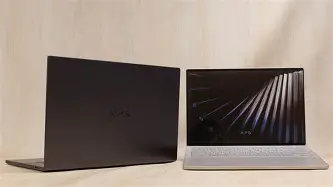
My first impression was that Dell clearly wanted the Xps 14 2026 to feel like a luxury product, and in my experience it succeeds in that respect. The chassis feels dense, rigid, and very refined. There is very little flex, the finish looks clean and minimal, and it has the kind of design that makes it feel more expensive than an average midrange laptop the moment you open it.
What changed after three months was my understanding of how much that premium design helps or hurts the everyday experience. I still appreciate the overall build quality, but I also noticed that some of the sleek design decisions come with trade-offs. The laptop looks extremely modern, yet modern does not always mean practical. I was surprised by how often I ended up thinking less about how beautiful it looked and more about smaller ergonomic details like port convenience, palm rest comfort over long sessions, and how the keyboard felt after typing for several hours straight.
Design and Build Quality
One of the strongest things about the Dell Xps 14 2026 is its physical design. I have carried it in a backpack, used it in coffee shops, and moved it around my home constantly, and it still feels reassuringly solid. The materials feel high-end rather than decorative. Nothing about it feels cheap, rattly, or loosely assembled.
I also liked the size. A 14-inch laptop continues to feel like a sweet spot to me. It is noticeably more comfortable for productivity than a 13-inch system, but it still avoids the bulk of a 15- or 16-inch machine. The footprint is compact enough that I never hesitated to bring it with me, and that portability is a big part of why I kept reaching for it.
That said, one thing that bothered me was that the ultra-clean design occasionally prioritizes aesthetics over convenience. Depending on your workflow, you may end up living the dongle life more than you want to. For a machine this premium, I would have loved a little more flexibility built in rather than needing adapters for common accessories.
Display Quality
The display is one of the main reasons I enjoyed using this laptop. After testing for work and entertainment, I can say this is one of the most consistently satisfying parts of the Xps 14 2026. Text looks crisp, colors appear rich without feeling cartoonish, and brightness was generally strong enough for the kinds of environments where I normally work.
I noticed that reading and writing on this screen felt especially comfortable. Long documents, web pages, and spreadsheets were easy on the eyes, and the overall panel quality gave the laptop a more premium feel every single day. Watching movies and streaming video also looked excellent, with good contrast and pleasing color depth.
In my experience, the only caveat is that very glossy premium displays can still be a mixed bag in bright rooms or near windows. While the screen itself is attractive, reflections can become distracting in certain lighting conditions. That was not a constant problem for me, but it was noticeable often enough that I would mention it to anyone who works in sunlit spaces.
Keyboard and Trackpad
This was one of the more complicated parts of my experience. I did not hate the keyboard, but I did not fall in love with it either. The keyboard is usable and looks sleek, and after a week or two I adjusted to it. But if you are someone who types all day, the feel matters a lot, and I found the typing experience good rather than exceptional.
Shop the latest Laptops & Computers picks on Amazon.
Browse Now →I was surprised by how much my opinion depended on session length. For shorter writing tasks and emails, it felt perfectly fine. For multi-hour writing days, I started noticing that the key feel was a little less satisfying than on my favorite laptop keyboards. It is not that it is bad; it is that at this price level I expect a keyboard that disappears beneath my fingers, and this one still kept reminding me of itself occasionally.
The trackpad, on the other hand, was smoother for me. Navigation felt responsive, gestures were reliable, and I rarely had to think about it. That is usually the best compliment I can give a trackpad. It did its job without drawing attention to itself.
Performance in Daily Use
Performance has been very solid in the kind of mixed daily workload I described earlier. With many browser tabs open, messaging apps running, streaming audio in the background, and documents spread across multiple windows, the laptop stayed quick and responsive. App launches were fast, waking from sleep felt snappy, and general navigation remained smooth.
What I found was that the Dell Xps 14 2026 feels more than powerful enough for productivity-focused users, office work, students, writers, analysts, and many creative users with moderate demands. I edited photos, exported moderate batches, and did some light media work without feeling like I had bought the wrong class of machine.
Where the limits become more obvious is under sustained heavier use. I noticed that when I pushed it harder for longer stretches, the system could get warm and the fans became more noticeable. That does not make it a bad performer, but it does remind you that a thin premium laptop always has thermal compromises. If your work regularly involves long renders, heavy video editing, or demanding engineering workloads, you may start feeling those limits more often than I did.
Battery Life and Charging
Battery life is one of those areas where marketing claims and real life rarely align perfectly, so I paid attention to how the laptop behaved in my actual routine. In my experience, the battery life was good enough to feel dependable, but not so exceptional that I stopped thinking about it altogether.
On lighter days involving writing, email, browser work, and moderate brightness, I felt comfortable taking it away from the charger for a substantial part of the day. On heavier days with video calls, lots of tabs, media streaming, and some creative work, the battery dropped faster in a way that felt predictable but not magical.
I have been using this for enough meetings and travel days to say that it is a capable unplugged laptop, but your settings will matter. Bright displays, high-performance modes, and heavier workloads can take a visible toll. The good news is that charging was convenient enough that topping up between work sessions was not a major problem.
Thermals and Fan Noise
This is one of those areas that premium laptop buyers should pay more attention to. Thin laptops often look incredible in photos but tell a more complicated story when you are actually using them on your lap or in a quiet room. After three months, I would describe the Dell Xps 14 2026 as generally well-behaved for routine work, but not invisible.
During basic tasks, it stayed calm enough. But when I stacked a lot of active tabs, ran calls, or did editing work, I noticed more heat and fan activity. It was not alarming, and I never felt like the machine was unstable, but it definitely reminded me that the cooling system is working within a compact chassis.
One thing that bothered me was that the transition from silent to audible could feel abrupt at times. Quiet rooms make this more obvious. If you are very sensitive to fan noise, that is worth knowing up front.
Speakers, Webcam, and Everyday Quality-of-Life Features
The overall media and communication experience was better than I expected. The speakers sounded clear and reasonably full for a laptop of this size, and they were good enough for casual music, video watching, and calls without making me reach for headphones immediately. They are not room-filling desktop replacements, but they did not feel weak or tinny in daily use.
The webcam experience was also important to me because I spend a lot of time on video calls. I found it perfectly serviceable for remote work. It is one of those features that most people only notice when it is bad, and I never had coworkers mention image quality issues. That alone counts as a win for modern laptop use.
I also appreciated the general polish of the machine. Sleep and wake behavior, fingerprint or login convenience depending on setup, and the feeling of opening the device and getting to work quickly all contribute more to ownership satisfaction than spec sheets suggest.
Discover deals on Laptops & Computers — updated daily.
Shop Amazon →Pros and Cons After 3 Months
Pros
- Premium build quality: It feels sturdy, elegant, and expensive in the right way.
- Excellent display: The screen is sharp, vibrant, and enjoyable for both work and entertainment.
- Strong everyday performance: Multitasking, office work, and light creative tasks felt smooth and reliable.
- Portable 14-inch size: I found it easy to carry without sacrificing too much screen space.
- Good overall polish: Trackpad responsiveness, wake behavior, and general usability all felt refined.
Cons
- Keyboard feel may not suit everyone: I adjusted to it, but it never became a favorite for long typing sessions.
- Limited ports: Depending on your accessories, adapters may become part of daily life.
- Heat and fan noise under load: It stays manageable, but I definitely noticed it during heavier tasks.
- Battery life is good, not class-leading: It is dependable, though not dramatically ahead of rivals.
- Glossy display reflections: The screen looks great, but bright environments can be distracting.
Comparison Table: How It Felt Against Other Premium 14-Inch Laptops
I think a comparison table is helpful here because the Dell Xps 14 2026 sits in a very competitive segment. Based on my experience, here is how I would describe its position against other premium 14-inch laptops I have used or tested in similar categories.
| Category | Dell Xps 14 2026 | Typical Premium 14-inch Rival | My Take After 3 Months |
|---|---|---|---|
| Build Quality | Excellent, rigid, premium feel | Usually very good | The Xps feels like one of the most polished and upscale options in hand. |
| Display | Beautiful, sharp, immersive | Good to excellent | This is one of the strongest reasons I enjoyed using it daily. |
| Keyboard | Good, but somewhat subjective | Varies widely | I found it competent, though not the most comfortable for marathon typing. |
| Port Selection | Minimal | Often slightly better | This is one area where the sleek design feels less practical. |
| Thermals | Fine for normal use, noticeable under load | Similar trade-offs in thin laptops | Not a deal-breaker, but definitely part of the ownership experience. |
| Battery Life | Solid real-world endurance | Ranges from average to excellent | Reliable enough for workdays, though not the standout feature for me. |
| Overall Character | Stylish, premium, productivity-focused | Depends on brand priorities | The Xps feels ideal for users who value design and display quality first. |
Who I Think Should Buy the Dell Xps 14 2026
After living with it for three months, I think the Dell Xps 14 2026 makes the most sense for a specific type of buyer. If you want a premium Windows laptop that looks refined, feels expensive, travels well, and handles serious everyday work without drama, it makes a strong case for itself.
I would recommend it most to people who:
- Want a laptop that feels premium every time they open it
- Care a lot about display quality for work and entertainment
- Need strong general productivity performance in a portable size
- Value a clean, modern design more than maximum port variety
- Use a laptop for a mix of office work, browsing, calls, writing, and light creative tasks
I would be more cautious recommending it to people who:
- Type for many hours every day and are extremely picky about keyboard feel
- Need lots of built-in ports without using adapters
- Run sustained heavy workloads that generate heat for long periods
- Expect battery life to be the single biggest reason to choose it
Buying Guide: What to Consider Before You Choose It
1. Think About Your Real Workload
If your usage is mostly productivity, web work, communication, media consumption, and occasional creative tasks, I think this laptop has the right balance of speed and polish. If you regularly do demanding creative or technical workloads for hours at a time, I would think more carefully about whether you need something with more thermal headroom.
2. Be Honest About Port Needs
I noticed that minimalist laptops always sound more appealing before you start connecting real accessories. If you use external drives, SD cards, HDMI accessories, or older USB devices often, make sure you are comfortable with adapters or a dock. For some buyers that is a non-issue; for others it becomes an everyday annoyance.
3. Prioritize Keyboard Comfort if You Write All Day
Because I do a lot of typing, this mattered to me more over time. My advice is simple: if keyboard feel is a top priority, pay close attention to it before buying if you can. The keyboard is not bad, but it is one of the most personal parts of the experience, and not everyone will react the same way.
4. Decide Whether Display Quality Matters More Than Reflection Control
The screen is a major strength, but glossy premium panels can be reflective. In my experience, that trade-off was mostly worth it because the display looked so good indoors. Still, if you work outside often or near large windows, this is worth keeping in mind.
5. Consider the Value of Daily Enjoyment
This may sound subjective, but I think it matters. Some laptops are technically competent but forgettable. The Dell Xps 14 2026 is not forgettable. I found it enjoyable to use in a way that comes from solid materials, a strong screen, compact proportions, and a generally polished feel. That kind of daily satisfaction has real value if you use your laptop for hours every day.
Final Verdict After 3 Months
After three months of daily use, I can say the Dell Xps 14 2026 left a strong impression on me as a premium laptop that gets the big things right. I appreciated the excellent display, the sturdy and attractive build, the portable 14-inch form factor, and the smooth everyday performance. It felt like a machine designed for people who want their laptop to be both functional and genuinely pleasant to use.
At the same time, I do not think it is perfect. The keyboard was only good for me rather than great, the port situation is limiting, and I noticed the usual thin-laptop compromises in heat and fan noise when I pushed it harder. None of those issues ruined the experience, but they are real enough that I would not ignore them.
In my experience, the Dell Xps 14 2026 is at its best when you treat it as a premium everyday laptop rather than a do-everything powerhouse. If that matches what you need, I think it is a very appealing machine that feels refined and satisfying over time, not just during the first week of ownership. And after three months, that is probably the most meaningful compliment I can give it.