The Truth About the 2 1 Channel Sound Bar: Pros, Cons, and Verdict
Introduction
The term "2 1 Channel Sound Bar" (commonly written as "2.1") describes a compact home audio solution that pairs a left and right main speaker with a dedicated subwoofer. For buyers seeking an upgrade from TV speakers without the footprint or complexity of a full surround system, 2 1 channel sound bars promise clearer dialogue, deeper bass, and a neater setup. This article examines what a typical 2 1 channel sound bar offers in practice, evaluates performance in everyday use cases, and provides a practical buying guide so consumers can decide if this configuration matches their needs.
What a 2 1 Channel Sound Bar Is — and Is Not
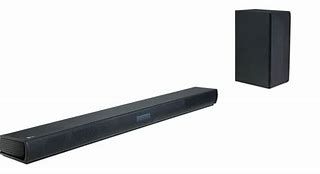
A 2 1 channel sound bar delivers stereo sound (left and right channels) plus low-frequency extension from a subwoofer. It is not a true multi-speaker surround system, so it cannot produce distinct rear-channel effects without virtual surround processing. What it does well is enhance center-channel clarity (especially dialogue), widen the stereo image compared with built-in TV speakers, and add tactile low-end that small TV speakers cannot reproduce.
Detailed Product Review and Analysis
Design and Build Quality
Most 2 1 channel sound bars are engineered for simplicity: an elongated main bar designed to sit under or mount in front of a TV, plus a separate subwoofer that may be wired or wireless. Materials typically range from plastic chassis with metal grilles on budget models to more premium wood or aluminum trims on higher-tier units. Consumers should expect a compact footprint suitable for small to medium living rooms, bedrooms, or apartments.
Sound Performance: Clarity, Imaging, and Bass
In terms of midrange and vocals, a well-designed 2 1 sound bar provides a marked improvement over most TV speakers — dialogue becomes clearer and more intelligible at moderate listening volumes. Stereo imaging is limited by the single-bar design, but creative driver placement and digital signal processing (DSP) can create a wider perceived soundstage.
The dedicated subwoofer is where the 2 1 setup differentiates itself. Subwoofers reproduce frequencies typically below ~120 Hz, which adds punch to movie effects and warmth to music. Buyers should note that the size, power, and tuning of the subwoofer greatly influence perceived performance. Compact subwoofers integrated with entry-level sound bars produce tight, controlled bass good for TV and light music listening, while larger subwoofers provide more extension and impact for action movies or bass-heavy music.
Connectivity and Features
Typical connectivity options include HDMI ARC (or eARC on newer models), optical (Toslink), Bluetooth for streaming, and occasionally AUX or USB playback. HDMI ARC/eARC is the most convenient for modern TVs because it supports remote control passthrough and higher-quality digital audio formats. Bluetooth is useful for casual streaming but introduces compression and potential latency; for gaming or lip-sync-sensitive content, HDMI or optical is preferable.
Additional features vary by model: DSP presets (movie, music, news), dialogue enhancement modes, night mode (compresses dynamics), and simple room EQ. Some sound bars also offer voice-assistant integration or multiroom capabilities, though these are less common in strictly 2 1 configurations.
Setup and Usability
One of the most compelling selling points is ease of installation. Typical setup requires positioning the bar under the TV, placing the subwoofer where it fits the room, and connecting one cable (HDMI ARC or optical) plus power. Wireless subwoofers eliminate cable runs to the subwoofer but may demand more attention to placement for stable pairing. Packaging usually includes a remote, and some manufacturers provide mobile apps for firmware updates and EQ adjustments.
Shop the latest Electronics picks on Amazon.
Browse Now →Real-World Use Cases
For a small apartment or bedroom, a 2 1 channel sound bar delivers a clear, noticeable upgrade — improved dialogue for late-night TV, enhanced music playback when hosting small gatherings, and deeper low-end for streamed films. In a living room with a conventional TV, a 2 1 setup offers a compelling balance of performance and minimalism compared with a more complex 5.1 system.
Gamers benefit from improved directional cues compared with TV speakers, though the lack of true surround channels means immersive positional audio remains limited. For podcasts, news, and talk-heavy content, the dialogue-centric improvements are especially valuable. Home theater enthusiasts who demand precise surround imaging, however, will find 2 1 bars a compromise rather than a complete solution.
Power, Distortion, and Listening Levels
Manufacturers often publish combined power ratings (e.g., main bar + subwoofer). While a higher wattage number can indicate headroom, it is not the only determinant of real-world loudness or quality — speaker efficiency, tuning, and amplifier design matter. At higher listening levels, inexpensive sound bars can exhibit distortion, sibilance, or a harsh treble; buyers should prioritize balanced frequency response and clean midrange over headline power figures.
Room Size and Placement Considerations
2 1 channel sound bars excel in small to medium rooms. In very large rooms or open-plan spaces, the limited channel count and subwoofer size may struggle to fill the space evenly. Subwoofer placement is crucial — corner placement increases perceived bass but can lead to boomy, uneven low-frequency response. Experimenting with position relative to walls and furniture usually yields the best results.
Pros & Cons
- Pros:
- Compact, minimal setup — easy installation for most users
- Clearer dialogue and better stereo imaging than most TV speakers
- Dedicated subwoofer adds real low-end that TV speakers lack
- Widely available in budget and mid-range price points
- Common connectivity options like HDMI ARC and Bluetooth
- Cons:
- Not a substitute for a true surround system for immersive cinema sound
- Subwoofer quality varies widely; small subs may lack deep extension
- Virtual surround processing can sound artificial if poorly implemented
- Some models prioritize loudness over fidelity, leading to distortion at high volumes
- Limited upgrade path compared with modular systems (adding rear channels often not supported)
How the 2 1 Channel Sound Bar Compares
| Feature | 2 1 Channel Sound Bar | 2.0 Sound Bar (No Subwoofer) | TV Built-in Speakers |
|---|---|---|---|
| Channels | Left + Right + Subwoofer (stereo + low-end) | Left + Right only | Single stereo pair or mono (varies) |
| Bass | Dedicated subwoofer — better low-end impact | Limited; relies on bar size for bass | Thin, often lacking true bass |
| Dialogue Clarity | Good — improved midrange and presence | Good — similar midrange clarity | Poor to average — often muffled |
| Footprint & Setup | Moderate — two pieces; easy setup | Smallest footprint, easiest setup | None — built into TV |
| Immersion | Moderate with virtual surround modes | Limited — narrow soundstage | Minimal — poor imaging |
| Best for | TV viewers who want bass and better movies/music | Users with tight budgets or space constraints | Casual viewers who don't prioritize audio quality |
Buying Guide: What to Look For
1. Confirm the Use Case
Start with how the sound bar will be used. For primarily watching movies and TV in a small living room, a 2 1 sound bar offers an attractive improvement. For dedicated music listening or large rooms, consider larger subwoofers or a modular system. For gaming, pay attention to latency and whether the sound bar supports sound formats used by the console.
2. Connectivity Matters
Prefer models with HDMI ARC or eARC to pass through TV audio and reduce setup complexity. Optical inputs are acceptable if the TV lacks HDMI ARC. Bluetooth is handy for casual streaming, but users who want the best audio fidelity should use wired digital connections.
3. Subwoofer: Size, Wired vs Wireless, and Placement
Check whether the subwoofer is wired or wireless: wireless subs simplify placement but require power outlets and may pair unreliably in congested wireless environments. Assess the subwoofer size — small enclosures trade deep extension for convenience. If a powerful, room-filling low end is a priority, look for larger subwoofers or models that allow connecting an external subwoofer.
4. Sound Processing and Presets
DSP modes can enhance different content types, but they vary in quality. Useful extras include a dedicated dialogue mode, night mode (dynamic range compression), and a simple built-in EQ. Beware of overly aggressive "enhancement" modes that color the sound unnaturally.
Discover deals on Electronics — updated daily.
Browse Now →5. Real Power vs. Marketing Power
Ignore marketing wattage that lacks context. Look for measured frequency response, total harmonic distortion (THD) figures if available, and read independent reviews that assess distortion and clarity at different volumes.
6. Size and Aesthetics
Confirm the bar's length fits the TV or the furniture. Some bars can be wall-mounted; others are too deep to fit on narrow shelves. The finish and grille material should match the room, and usable remotes or app control improve day-to-day experience.
7. Ease of Use and Support
Check for a straightforward setup process, clear documentation, and the manufacturer’s track record for firmware updates and warranty support. For buyers who value long-term reliability, a modest premium for a reputable brand can be worthwhile.
8. Test If Possible
Listening before buying is ideal. Bring familiar test tracks and watch a movie scene with rich low-end and complex dialogue. If an in-store demo isn't possible, prioritize models with liberal return policies so buyers can audition at home.
9. Budget and Value
2 1 sound bars span a wide price range. Lower-priced models offer immediate improvement over TV speakers but may compress dynamic range; mid-range units often strike the best balance between features and fidelity. Determine the most important attributes (bass, clarity, connectivity) and allocate budget accordingly.
Common Buyer Questions and Practical Tips
- Will a 2 1 sound bar fill a large living room? It can improve sound but may struggle to deliver even coverage in very large or open-plan spaces. Consider additional speakers or a larger system for those rooms.
- Is wireless better than wired for the subwoofer? Wireless adds convenience but potential pairing issues; wired subs often provide more reliable connectivity and sometimes better latency.
- Do virtual surround modes work? They can enhance perceived width, but they are not a replacement for discrete surround channels. Assess whether the effect sounds natural to the ear.
- Can a sound bar improve music playback? Yes—especially vocals and pop/rock genres—but audiophiles will likely prefer dedicated stereo speakers or a receiver-based system for high-fidelity music listening.
Conclusion
The 2 1 channel sound bar represents a pragmatic compromise: a meaningful upgrade over built-in TV speakers without the complexity or space requirements of full surround systems. For buyers who prioritize clearer dialogue, a compact footprint, and an added low-frequency foundation for movies and music, a carefully chosen 2 1 sound bar offers excellent value. Its limitations—lack of true rear channels and variable subwoofer quality—are important to acknowledge, but they don't negate the real-world benefits for the majority of casual to moderately discerning listeners. By focusing on connectivity, subwoofer design, and realistic listening expectations, buyers can find a 2 1 sound bar that transforms daily TV viewing and delivers satisfying sound for everyday entertainment.